
The death of U.S. Navy Seaman Angelina Resendiz continues to raise serious questions more than a year after she disappeared and was later found dead in Virginia. As her family seeks accountability from the Navy, the sailor accused of killing her is now scheduled to return to military court, where a possible plea agreement could significantly impact the case.
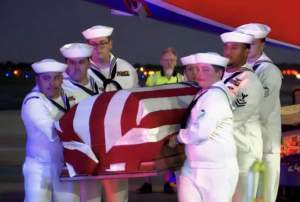
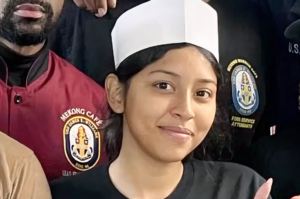
According to court records, Jermiah Copeland is scheduled to appear at a two-day military hearing on June 8 and 9. Copeland, who served alongside Resendiz as a culinary specialist aboard the USS James E. Williams, faces a series of serious charges, including premeditated murder, sexual assault, aggravated assault, sexual misconduct, and obstruction of justice.
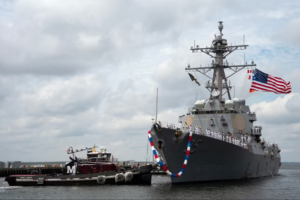
The hearing comes just over a year after Resendiz vanished from Norfolk on May 29, 2025. Her disappearance sparked concern among friends after one reportedly received a frantic late-night phone call from her asking for help and a ride. When she failed to report for duty the next day, Navy officials reportedly classified her as absent without leave (AWOL), a decision that has since become one of the most controversial aspects of the case.
Tragically, investigators later determined that Resendiz was already dead when she was marked AWOL. Her remains were discovered on June 9, 2025, in a wooded area near an elementary school in Norfolk, ending an intense search but opening new questions about how military authorities handled her disappearance.
The sailor’s mother, Esmeralda Castle, has been outspoken in her criticism of the Navy’s response. She has repeatedly questioned why her daughter’s disappearance was not treated with greater urgency and has called for an independent investigation into the actions of Navy leadership and military law enforcement. Castle has also said she learned of her daughter’s death through media reports before receiving official notification from military authorities.
The controversy surrounding the AWOL designation has attracted attention from lawmakers. Vicente Gonzalez recently urged Navy leadership to conduct a comprehensive review of the circumstances surrounding Resendiz’s disappearance and death. In a letter to acting Navy Secretary Hung Cao, Gonzalez called for a broader investigation into whether failures within the chain of command contributed to the tragedy.
Since her daughter’s death, Castle has become a prominent advocate for military accountability and sexual assault awareness. She has worked with lawmakers, advocacy organizations, and military reform groups to push for changes aimed at preventing similar cases from occurring in the future. Her efforts have drawn comparisons to reforms demanded after the killing of Vanessa Guillén, whose 2020 death exposed significant shortcomings in how the military handled reports of harassment and missing service members.
The upcoming hearing may also determine whether Copeland enters into a plea agreement. According to reports, discussions about a possible guilty plea have taken place, although no final agreement has been approved. Castle has indicated that such a plea could result in a prison sentence of up to 40 years. However, military legal experts emphasize that any plea must be reviewed and accepted by a military judge before it becomes official.
Family attorney and victims’ rights advocate Marshall Griffin noted that military courts place special emphasis on ensuring guilty pleas are entered voluntarily. Because service members operate within a command structure where orders must be followed, judges must carefully determine that an accused person is not pleading guilty under pressure or coercion.
The allegations against Copeland extend beyond Resendiz’s death. Court documents reportedly describe a pattern of alleged sexual misconduct and violence leading up to the killing. Investigators have examined accusations involving other women, including an alleged sexual assault involving a civilian shortly before Resendiz disappeared. Reports have also indicated that Copeland was under investigation for additional alleged misconduct while serving aboard the USS Harry S. Truman.
For Resendiz’s family, the case is about more than securing a conviction. They continue to seek answers about how warning signs may have been overlooked and why systems designed to protect service members failed to prevent the tragedy. As the June hearing approaches, the outcome could determine whether the case is resolved through a negotiated plea or proceeds toward a full military trial.
Regardless of the legal outcome, the death of Angelina Resendiz remains a deeply painful case that has intensified calls for accountability, transparency, and reform within the U.S. military’s handling of missing personnel and allegations of sexual violence.