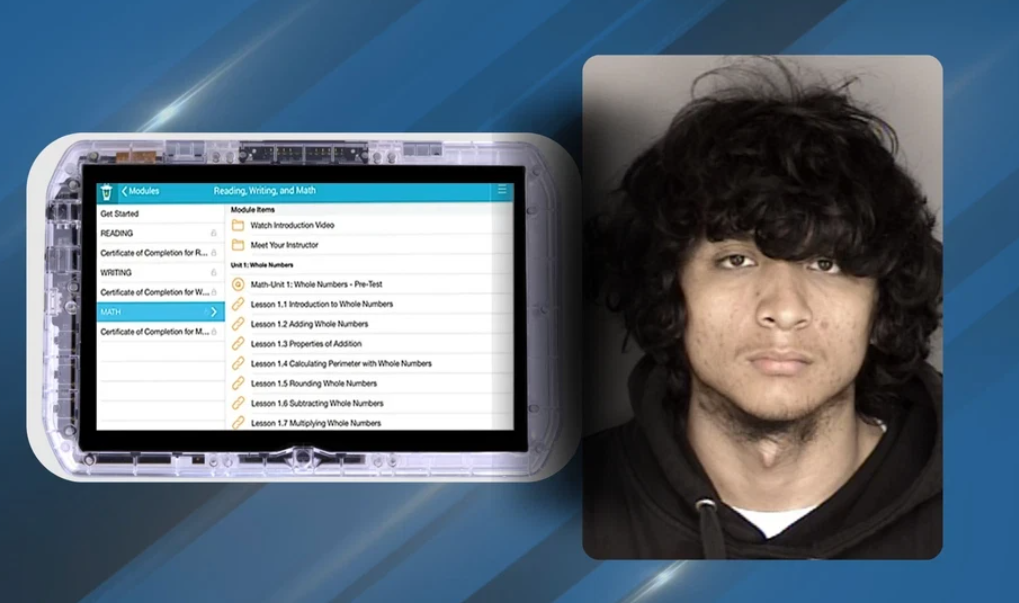
A growing controversy surrounding California’s prison tablet program has sparked a federal investigation after allegations surfaced that some inmates were using state-issued devices to engage in criminal behavior from behind bars. Congressional Republicans recently announced they are examining the program amid claims that incarcerated individuals accessed pornography and exploited women and children using prison communication technology.
The scrutiny centers on tablets distributed throughout the California Department of Corrections and Rehabilitation prison system roughly three years ago. The devices were introduced as part of rehabilitation efforts designed to provide inmates with educational tools, audiobooks, job-search resources, and ways to communicate with family members. Officials emphasized that the tablets do not provide unrestricted internet access and are supposed to operate within monitored systems controlled by prison authorities.
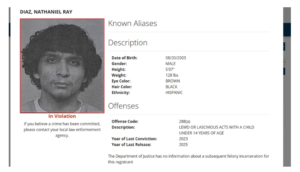
Despite those safeguards, investigators say at least one inmate allegedly found ways to misuse the technology. The most prominent case involves 21-year-old Nathaniel Diaz, an inmate at Avenal State Prison. Prosecutors accused Diaz of using his prison-issued tablet and prison phone system to communicate extensively with a 12-year-old child. Authorities alleged he placed thousands of calls and received sexually explicit images from the minor while incarcerated.
Diaz, who was already serving a prison sentence, now faces far more serious penalties if convicted on the new charges. Officials said he could face an additional 25 to 50 years in prison for allegedly using prison communication systems to commit sex crimes involving a child.
The controversy intensified after reports published by City Journal and the California Post cited claims from death row inmates alleging that prisoners were using the tablets to watch pornography and engage in sexually explicit conversations. The reports fueled criticism from lawmakers who argued the program may not have sufficient safeguards to prevent abuse.
In response to the allegations, the office of Gavin Newsom pushed back strongly against claims that the devices were unregulated. Newsom’s office stated publicly that inmate communications are “monitored, recorded, searchable, and investigated,” insisting the prison system maintains oversight of tablet activity.
Still, leaders of the House Committee on Oversight and Government Reform formally launched an investigation into the program. In a letter sent to Governor Newsom, congressional leaders expressed concern that taxpayer-funded prison programs could potentially be enabling sexual exploitation and criminal conduct. Lawmakers requested extensive documentation from California prison officials, including communications with tablet vendors, monitoring records, evidence of oversight procedures, and information regarding any federal funding tied to the program.
The committee also demanded records showing how inmate activity is tracked and whether prison officials properly investigated reports of misuse. Officials requested that California provide the information by June 9 as part of the federal review.
Supporters of prison tablet access, however, argue that the technology has played a major role in rehabilitation and reducing isolation among incarcerated people. Bianca Tylek, CEO of the advocacy organization Worth Rises, said many correctional officers and prison staff members support the continued use of tablets because they help inmates stay connected with loved ones and access educational resources.
Tylek acknowledged that stronger safeguards may be necessary but argued that isolated cases of abuse should not eliminate programs that benefit thousands of inmates using the devices appropriately. She emphasized that correctional agencies and technology contractors share responsibility for ensuring effective monitoring systems are in place.
The prison tablet program itself continues to evolve. California is currently transitioning to new tablet vendors, and pricing structures for inmate services are changing as well. While educational materials such as podcasts, e-books, and audiobooks are offered free of charge, inmates typically receive only 30 free minutes of video calls per month. Additional communication services can cost extra, including video calls priced at 10 cents per minute — a significant expense for prisoners who often earn less than one dollar per hour while incarcerated.
As federal investigators continue examining the system, the case has reignited broader debates about prison reform, inmate communication rights, public safety, and whether correctional technology programs have enough protections to prevent abuse.