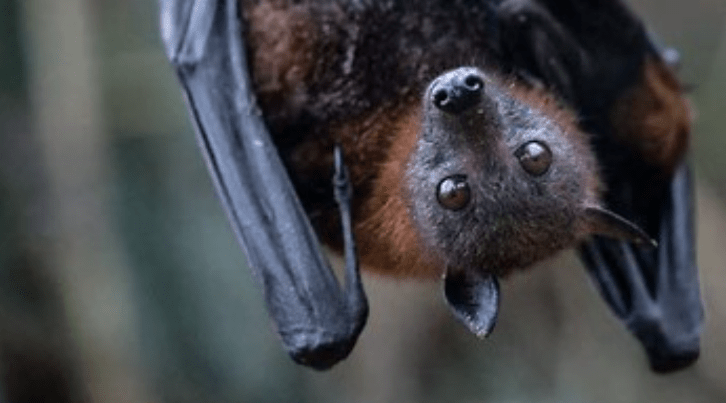
A Canadian medical journal is warning the public about the hidden dangers of bat exposure after detailing the tragic death of an 11-year-old Ontario boy who contracted rabies following what initially appeared to be harmless contact with a bat. Health experts say the heartbreaking case underscores the importance of seeking immediate medical evaluation after any direct interaction with a bat, even when no bite marks are visible.
The case, which occurred in 2024 and was recently published in the Canadian Medical Association Journal (CMAJ), describes how a previously healthy child developed the fatal viral disease after a family vacation to a cottage in northern Ontario. Medical experts hope the report will increase public awareness about rabies prevention and encourage people to seek prompt treatment whenever bat exposure is suspected.
Bat Was Found Resting on Child’s Face
According to the medical report, the boy awoke one morning during the family’s cottage trip to discover a bat resting on his nose and mouth.
Although the encounter was alarming, family members did not notice any visible bite marks or scratches on the child’s skin. Believing that no injury had occurred, they did not seek medical attention or receive post-exposure rabies treatment.
Health experts explain that bats have extremely small teeth, and bites can sometimes leave little or no visible evidence. Because of this, direct contact with a bat is considered a potential rabies exposure, even if a bite cannot be confirmed.
Symptoms Appeared Weeks Later
Approximately three weeks after the encounter, the boy began experiencing unusual neurological symptoms.
According to physicians, his first symptoms included facial numbness and difficulty swallowing, both of which can be early warning signs of rabies infection affecting the nervous system.
Initially, doctors suspected other medical conditions. He was first treated for Bell’s palsy, a condition that causes temporary facial weakness, and later for herpes gingivostomatitis, an infection affecting the mouth and gums.
However, as his condition rapidly deteriorated, physicians recognized that his symptoms were consistent with rabies, a disease that attacks the brain and central nervous system.
Child Died Despite Intensive Medical Care
The boy was admitted to hospital, where specialists provided intensive medical treatment in an effort to save his life.
Despite the efforts of healthcare teams, his condition continued to worsen. He died 17 days after being admitted to the hospital.
Medical experts note that once clinical symptoms of rabies develop, the disease is almost always fatal despite modern intensive care.
First Locally Acquired Rabies Case in Ontario in Decades
According to the authors of the CMAJ report, the child became Ontario’s first locally acquired human rabies case since 1967.
The report highlights how rare human rabies infections have become in Canada due to widespread vaccination programs, animal control measures, and prompt use of preventive treatment after potential exposures.
Even so, experts stress that the virus continues to circulate in wildlife populations, particularly among bats, making public awareness essential.
Rabies Is Preventable If Treated Early
Rabies is a viral disease that affects the brain and nervous system and is most commonly transmitted through the saliva of infected animals.
Although bites from dogs remain the leading source of rabies worldwide, bats are one of the most common sources of human rabies exposure in North America.
Doctors emphasize that rabies is almost entirely preventable if people receive post-exposure prophylaxis (PEP) soon after potential exposure. This treatment typically includes a series of rabies vaccinations and, in certain cases, rabies immune globulin.
The effectiveness of this treatment is extremely high when administered before symptoms appear.
Doctors Urge Immediate Medical Evaluation After Bat Contact
The authors of the medical report are urging families to seek medical advice immediately whenever someone has direct physical contact with a bat, especially if the person was asleep, unconscious, or unable to determine whether they were bitten.
Health officials explain that because bat bites may be painless and difficult to detect, the absence of visible wounds should never be used as proof that exposure did not occur.
Prompt evaluation by healthcare professionals allows doctors to determine whether preventive rabies treatment is necessary before the virus can reach the nervous system.
A Tragic Reminder of a Preventable Disease
Medical experts hope the publication of the boy’s case will help prevent similar tragedies by increasing public awareness of rabies risks associated with bats.
While human rabies remains extremely rare in Canada, the disease remains almost universally fatal once symptoms develop. Physicians say recognizing potential exposure and obtaining immediate preventive treatment remain the most effective ways to save lives.
The heartbreaking loss of the 11-year-old boy serves as a powerful reminder that even seemingly minor encounters with wildlife can carry serious health risks. Doctors are encouraging anyone who has direct contact with a bat to contact healthcare providers or local public health officials immediately so appropriate preventive care can begin without delay.